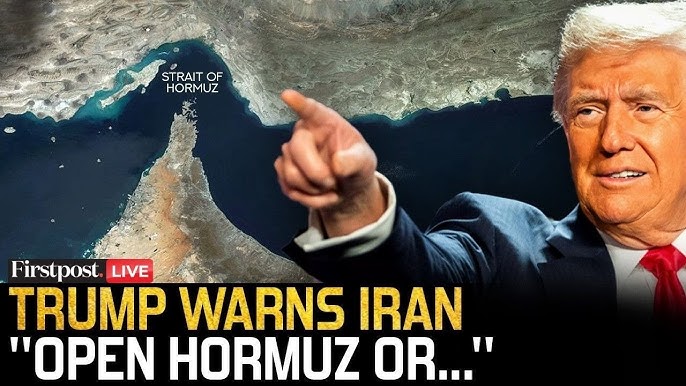
📊 Markets Reverse Sharply After Trump Comments — War-Driven Markets Remain Highly Volatile and News-Led
■ Market Overview
Amid the ongoing U.S.–Israel vs. Iran conflict in the Middle East, global financial markets remain in a geopolitical risk-driven “war market.”
Late in the New York session yesterday, U.S. President Donald Trump stated that the war will end soon, but not this week.
Following the remark, markets quickly unwound war-related positioning:
-
Oil declined
-
Equities rallied
-
The U.S. dollar weakened
However, in the Tokyo session, oil prices stabilized and dollar buying resumed, indicating that markets remain highly sensitive to geopolitical headlines.
■ Current Market Characteristics
The current market environment is being driven by:
“Trump comments × Oil prices × Geopolitical headlines.”
Price direction can change within minutes depending on new developments.
The largest ongoing risk factor remains:
The potential closure of the Strait of Hormuz.
If tensions escalate, markets could quickly shift back into a full war-risk mode, including:
-
Oil surging
-
Equities plunging
-
The U.S. dollar strengthening sharply
■ Foreign Exchange Market
USD/JPY
-
Low: 157.28
-
Rebounded: toward 157.60
Following oil stabilization and rising equities, markets saw mixed flows of yen selling and dollar buying.
Yen Crosses
Supported by gains in European equities, risk appetite triggered yen selling across crosses.
| Pair | Level |
|---|---|
| EUR/JPY | 183.70 |
| GBP/JPY | 212.27 |
| AUD/JPY | 112.04 |
Australian Dollar
In the London session, AUD buying dominated.
The move was driven by hawkish comments from RBA Deputy Governor Andrew Hauser.
Key remarks
-
Higher oil prices represent an upside risk to inflation
-
The Australian economy remains strong
-
Spare capacity in the economy is limited
Following these comments, AUD/USD rose to 0.7119.
■ Key Events to Watch Today
Europe
Upcoming releases:
-
Germany Trade Balance (January)
-
France Trade Balance (January)
-
France Current Account
However, these data points were recorded before the Middle East conflict escalated, so their impact may be limited.
More important could be:
-
EU Finance Ministers Meeting
-
Central bank officials’ speeches
Any comments related to energy prices or geopolitical risks could cap euro gains.
New York Session
Key Event
U.S. 3-Year Treasury Auction (2:00 AM JST)
This auction will provide insight into demand for U.S. Treasuries as a safe-haven asset.
Depending on the results, there could be significant moves in:
-
U.S. yields
-
USD/JPY
U.S. Economic Data
Existing Home Sales (February)
Although forecasts are relatively weak, the data is unlikely to drive broader market trends.
Other Global Indicators
-
Norway CPI
-
Turkey Industrial Production
-
South Africa GDP
■ Market Structure
Current drivers of the market ranked by importance:
1️⃣ Middle East war developments
2️⃣ Oil prices
3️⃣ Trump’s statements
4️⃣ U.S. interest rates
5️⃣ Economic data
In short, geopolitics currently outweighs traditional fundamentals.
■ Trading Perspective
The market environment can change on a single headline.
Key characteristics include:
-
Oil-driven price action
-
Headline-driven markets
-
Elevated volatility
-
Algorithmic trading reacting aggressively to news
As a result, stronger risk management than usual is essential.
■ Summary
Global financial markets remain firmly in a “war market.”
The most important factors driving markets now are:
-
Statements from President Trump
-
Developments from Iran
-
Strait of Hormuz-related news
-
Oil supply headlines
Risk sentiment can rapidly shift between risk-on and risk-off depending on incoming news.
For traders, monitoring geopolitical developments and oil prices remains the top priority.