
How to Read US GDP Growth Rates
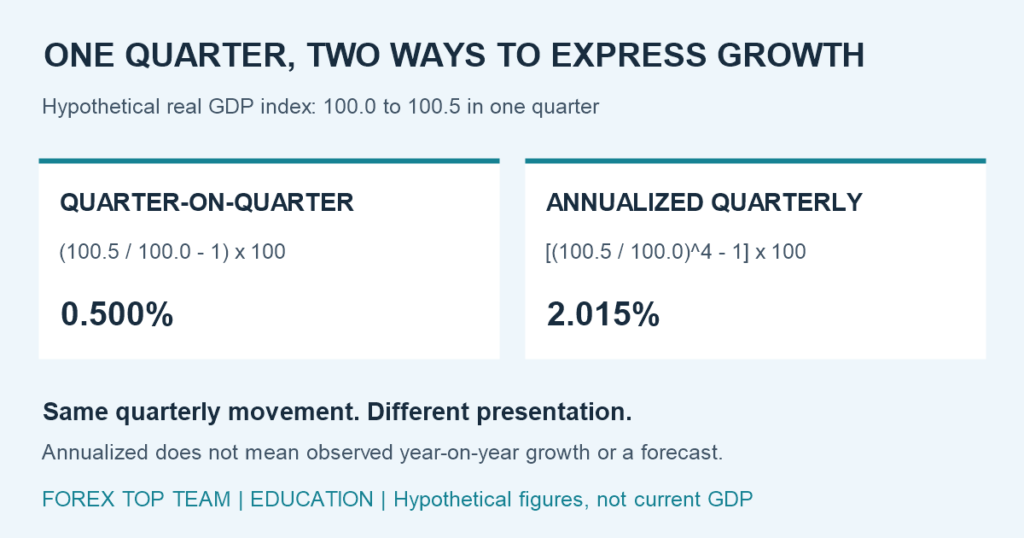
Compare annualized and quarter-on-quarter GDP growth correctly, separate surprises from revisions, and build a clearer FX release checklist.
Why a High FX Win Rate Can Still Lose
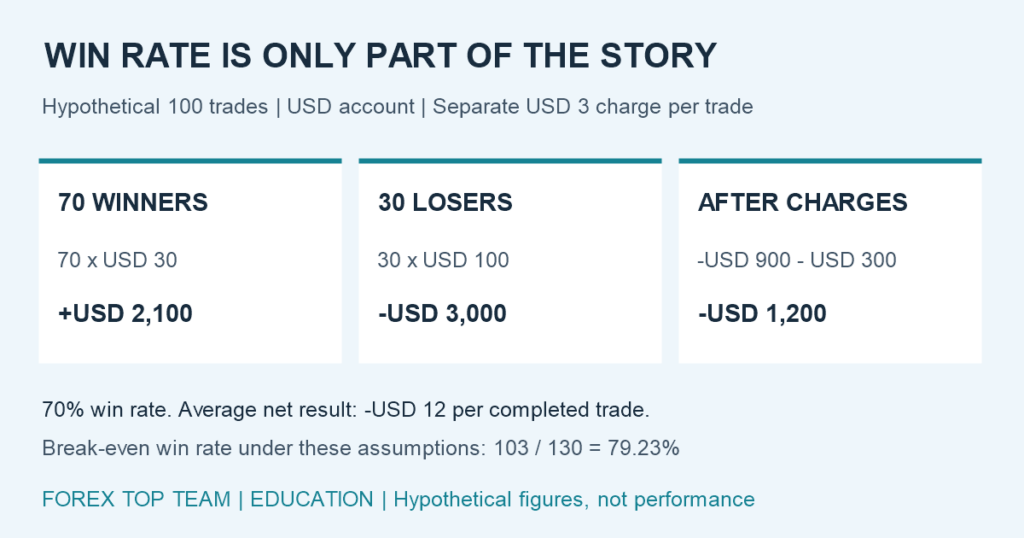
See why a 70% FX win rate can still lose money, calculate expectancy and break-even accuracy, and review costs without double counting.
Why an FX Call Can Finish in the Money and Lose
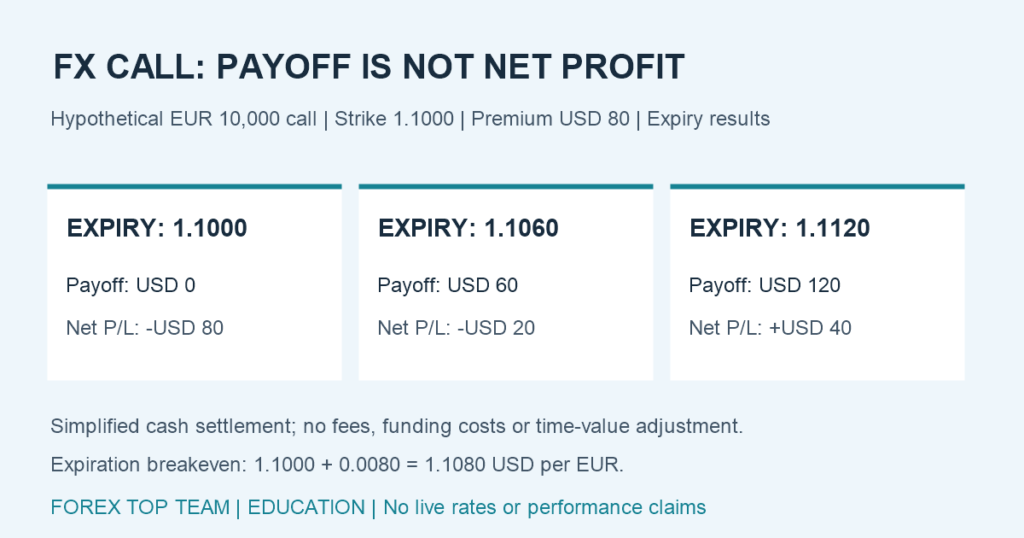
Separate an FX call payoff from net profit, calculate its expiration breakeven, and check premium units, trading costs and settlement rules.
Why FX Volume Depends on Your Feed
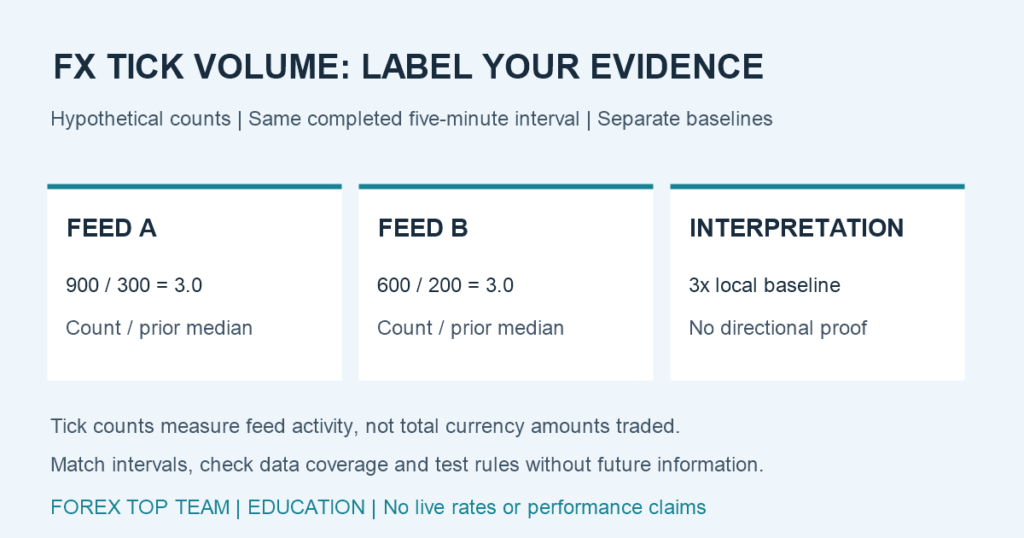
Understand tick volume versus traded volume, compare feed-specific activity baselines, and avoid turning a busy FX chart into an unsupported directional signal.
How to Compare Real Rates in FX
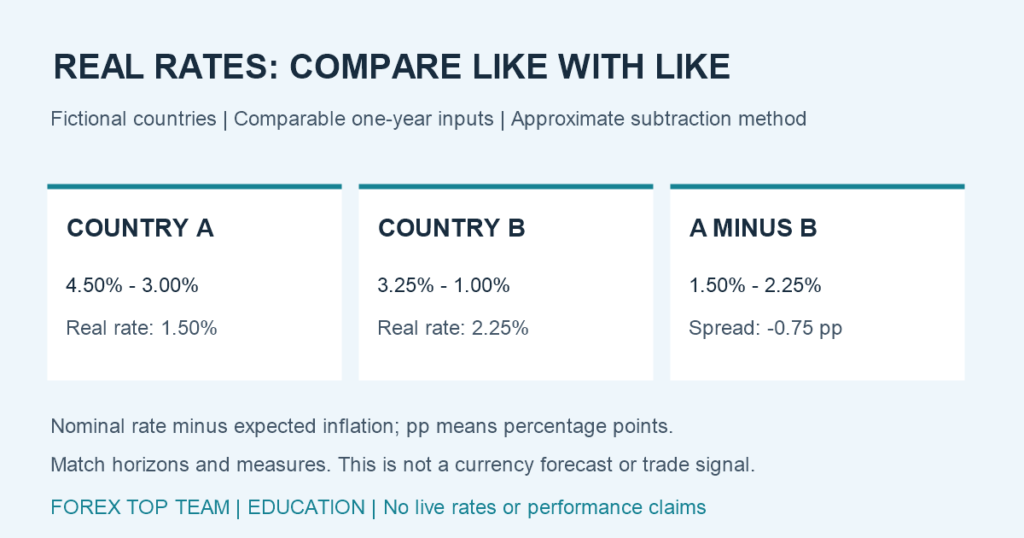
Compare nominal and real interest rates across two currencies, match inflation horizons, and understand why breakevens and rate spreads need context.
Why USD/JPY Pip Value Changes

Learn why a fixed USD/JPY pip amount in yen changes value in a dollar account, with a clear 40-pip example and a practical conversion checklist.
Why Payroll Revisions Matter for FX
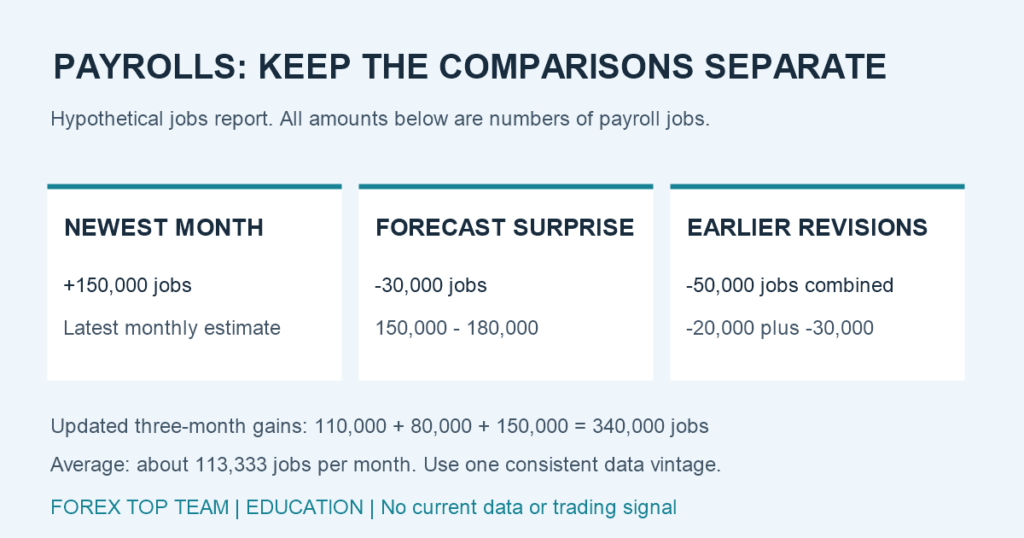
Learn to separate the newest US payroll gain, its forecast surprise and earlier revisions, with a clear hypothetical example and an FX review checklist.
Why FX Rollover Can Cost Three Days
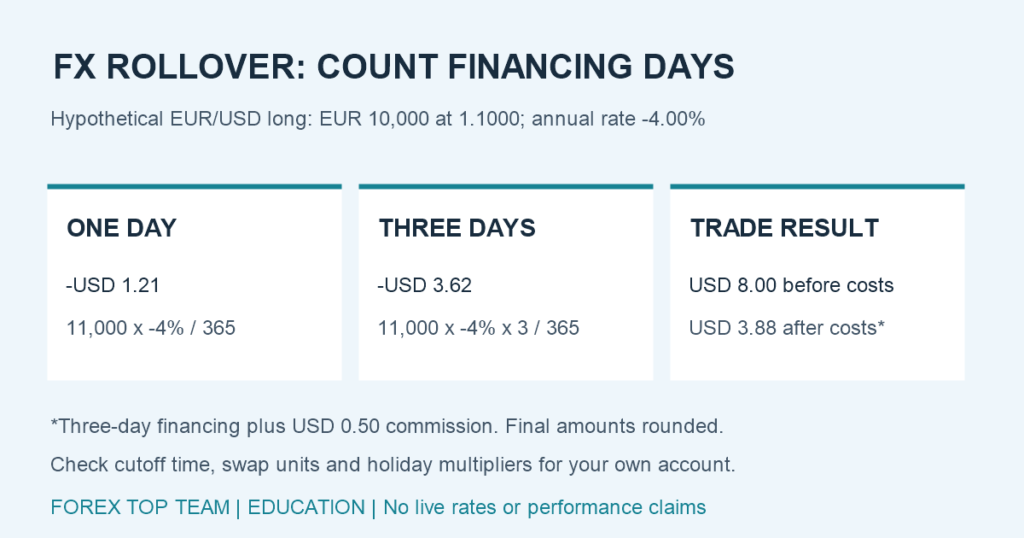
Understand why FX rollover can cover three days, check swap units and cutoff times, and budget overnight financing with a clear hypothetical example.
Why FX Option Skew Is Not a Trading Signal

Learn what a 25-delta FX risk reversal measures, why identical skew can hide different volatility levels, and how to check conventions before interpreting the sign.
Why Official FX Rates Differ From Your Trading Quote
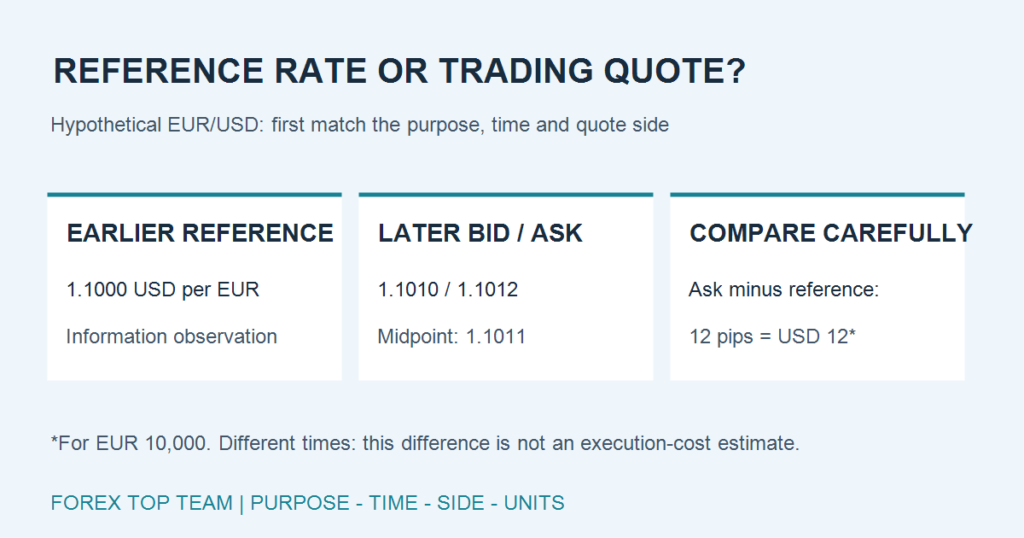
Understand why an official FX reference rate can differ from your broker quote, and learn to compare purpose, timestamps, bid-ask sides and currency units.