📊 Safe-Haven Dollar Buying Continues Amid Middle East War — Oil Volatility Drives High Market Turbulence
■ Market Overview
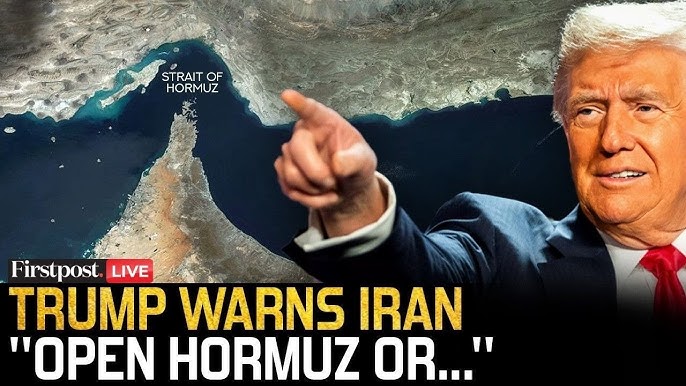
Amid the ongoing military conflict between the United States–Israel and Iran in the Middle East, financial markets continue to see safe-haven demand for the U.S. dollar driven by risk aversion.
At the start of the week, the energy market took the lead, with NY WTI crude futures surging to a high of $119.48.
This triggered a sharp decline in global equity markets.
Japan’s Nikkei 225 briefly plunged by 4,200 points, reflecting a strong risk-off sentiment dominating financial markets.
However, following reports that G7 nations are discussing the release of emergency oil reserves, crude prices reversed sharply lower.
As a result, market dynamics temporarily shifted from:
“Geopolitical risk → Oil spike → Dollar buying”
to
“Policy response → Oil decline → Dollar correction.”
■ Market Developments
Oil Market
NY WTI Crude Futures
-
Surged to $119.48
-
Later plunged sharply to $96.25
Drivers
-
Escalation and prolonged war concerns → Oil spike
-
FT report of G7 emergency oil reserve release talks → Sharp oil decline
The energy market is currently the central driver of global market movements.
Foreign Exchange Market
Following the drop in oil prices, a correction in dollar buying emerged.
Major currency moves
| Currency Pair | Movement |
|---|---|
| USD/JPY | Fell toward 158.20 |
| EUR/USD | Rose to around 1.1573 |
| GBP/USD | Rebounded to around 1.3360 |
U.S. Dollar Index
-
Rose to 99.695 (highest level since November last year)
-
Later retreated to the 99.30 range
Key factors
The selection of Mojtaba Khamenei (son of Supreme Leader Ali Khamenei) as Iran’s new Supreme Leader heightened concerns over a continued hardline policy stance, increasing geopolitical risk.
However, the G7 reserve release discussion triggered a temporary pullback in the dollar.
■ Key Events to Watch Today
Economic Indicators
No major U.S. data releases are scheduled.
Upcoming data:
-
German Manufacturing Orders (January)
-
German Industrial Production (January)
-
Mexico CPI (February)
Policy & Events
-
ECB Executive Board Member Elderson speech
-
Eurogroup Finance Ministers Meeting
-
Federal Reserve blackout period (until the 19th)
Market Environment
The United States and Canada have shifted to daylight saving time, reducing the time difference with Japan by one hour.
■ Current Market Structure
The current market theme is extremely straightforward.
Three factors are driving global markets:
-
War risk
-
Oil prices
-
Policy responses
In particular, the following chain reaction is dominating:
Oil → Inflation → Interest Rates → U.S. Dollar
As a result, movements in the energy market are effectively determining the direction of the FX market.
■ Trading Perspective
The market environment has become a news-driven market.
Key characteristics:
-
Sharp moves triggered by geopolitical headlines
-
Oil-led market direction
-
Elevated short-term volatility
Therefore, position management is more important than usual.
■ Summary
Global financial markets have effectively shifted into a “war market.”
The core structure is:
-
War escalation → Rising oil prices → Dollar buying
-
Policy response → Falling oil prices → Dollar correction
This headline-driven market environment is likely to persist for the time being.
For traders, it is essential to prioritize monitoring the oil market and geopolitical developments.